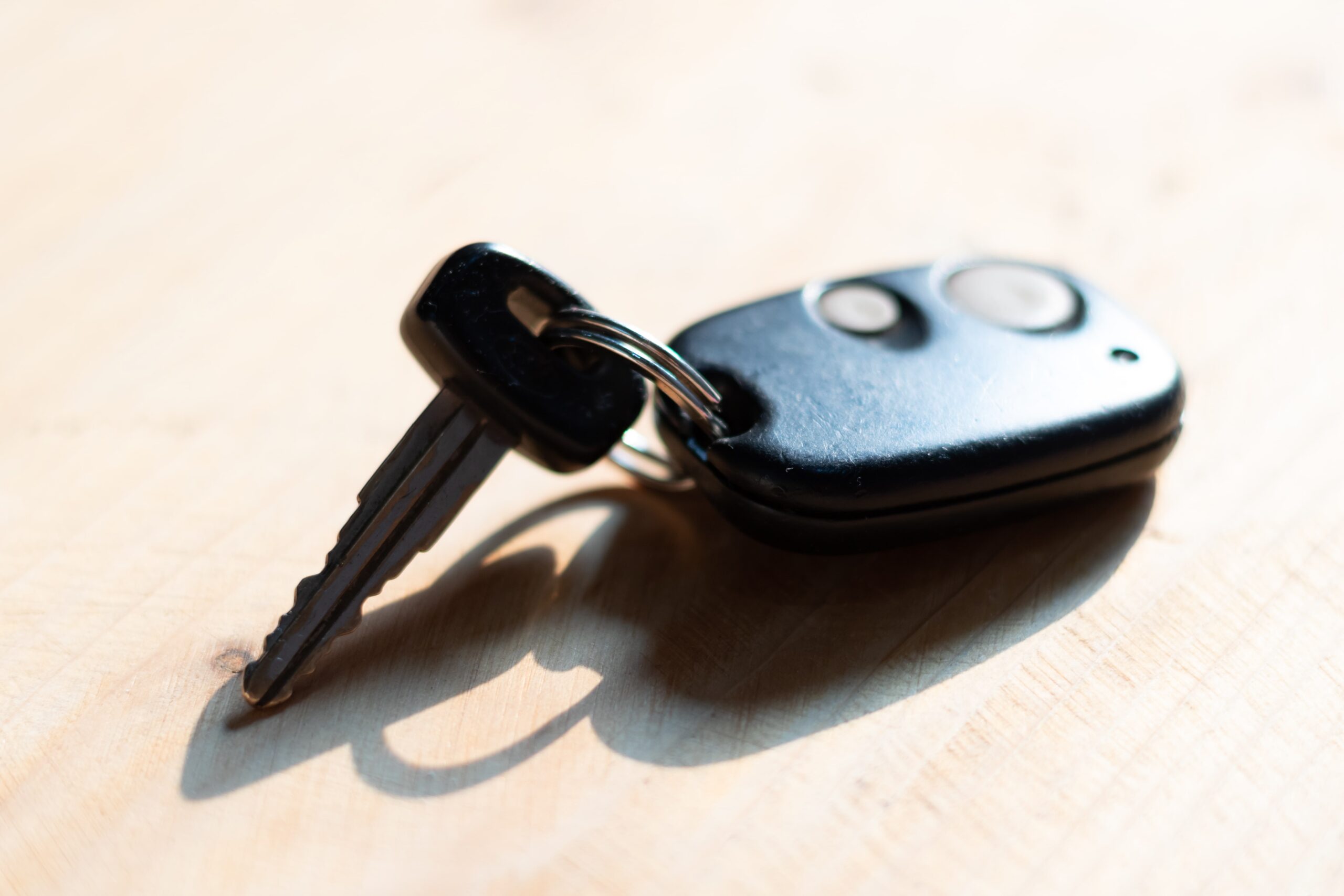
Reprogramming a Car Key: A Comprehensive Guide
Car keys have progressed considerably for many years, transitioning from basic mechanical keys to sophisticated electronic devices incorporated with sophisticated security features. One of the essential abilities every car owner should have is the ability to reprogram their car key, whether due to loss, malfunction, or just upgrading to a more recent model. This post looks into the reprogramming procedure, discussing its importance, the actions involved, and resolving frequently asked concerns regarding car key reprogramming.
Comprehending Car Key Technology
Before exploring how to reprogram a car key, it is important to comprehend the different types of car keys readily available today.
Types of Car Keys
- Traditional Mechanical Keys: Simple metal keys that have no electronic elements.
- Transponder Keys: These include a chip that communicates with the car's ignition system to prevent theft.
- Remote Keys: Often equipped with locks, unlocks, and panic buttons, these keys enable for range access to the vehicle.
- Smart Keys: Advanced technology permits these keys to begin the engine without physical insertion into the ignition system and frequently include functions like keyless entry.
Why Reprogram a Car Key?
There are numerous circumstances in which a car owner may need their key to be reprogrammed:
- Loss of Keys: When keys are lost and need to be changed, programming is required to guarantee the new key works with the vehicle.
- Malfunctioning Key: Sometimes keys quit working due to battery failure or damage.
- Purchasing a Used Car: To boost security, reprogramming ensures that only the brand-new owner has access to the vehicle.
- Including New Keys: For families or car-sharing circumstances, programming additional keys for licensed users is required.
Actions to Reprogram a Car Key
Reprogramming a car key varies by producer, model, and year, but numerous general actions can be followed to achieve this job. Below is a helpful overview of what the reprogramming procedure might involve:
Step-by-Step Guide
Action 1: Gather Necessary Materials
- The car's original key (if available)
- The new key that needs reprogramming
- Owner's handbook (for specific instructions)
- A working car battery to avoid disruptions
Action 2: Locate the OBD II Port
The On-Board Diagnostics (OBD II) port is typically found under the control panel near the chauffeur's seat. This port is vital for connecting diagnostic tools and is often utilized for key programming.
Action 3: Insert the Key into the Ignition
Insert the original key into the ignition and turn it to the "ON" position. Nevertheless, do not start the engine yet. click the following webpage activates the vehicle's computer systems.
Step 4: Use the Reprogramming Tool (if needed)
In some cases, car owners may need to utilize an OBD II key programming tool linked to the OBD II port. Follow the on-screen triggers to input information about the vehicle.
Step 5: Follow the Specific Programming Procedure
Consult the owner's handbook or look online for specific programming instructions for your vehicle's make and design. Common methods often include turning the brand-new type in the ignition a specific number of times or pressing buttons on the remote.
Step 6: Test the New Key
As soon as the key has been programmed, test it to ensure it works correctly. Inspect functions like locking, unlocking, and beginning the engine.
Step 7: Erase Old Keys (if needed)
For security reasons, some designs enable the erasure of old keys from the car's memory, making sure that they are no longer practical.
Table 1: Key Reprogramming Instructions by Vehicle Type
| Vehicle Type | Guideline Type | Programming Method |
|---|---|---|
| Ford | Utilize a key fob | Turn the key to "ON" 8 times |
| Chevrolet | Transponder key | Cycle ignition 5 times |
| Honda | Remote key | Insert key, press lock 4 times |
| Toyota | Smart key | Utilize a remote starter tool |
Repairing Common Issues
While reprogramming a key can frequently be uncomplicated, specific problems can complicate the procedure. Here are some common problems car owners might come across:
- Key Not Recognized: Ensure the brand-new key works with the vehicle.
- Battery Issues: A dead key fob battery can prevent successful programming.
- Faulty Key Fob: Physical damage to the key fob might inhibit functionality.
Often Asked Questions (FAQs)
Q1: Can I reprogram my car key myself?
Yes, many vehicles permit owners to reprogram the key themselves, however the process varies by make and design.
Q2: What tools do I require for reprogramming?
Generally, you require the original key, the new key, and perhaps an OBD II key programming tool for specific contemporary automobiles.
Q3: Is it needed to visit a dealer for key reprogramming?
Not constantly. While dealers can reprogram keys, some designs enable DIY programming. Inspecting your owner's manual is suggested.
Q4: How much does it cost to have a key reprogrammed?
The rate differs widely, with dealership services varying from ₤ 50 to ₤ 250, while regional locksmith professionals might charge less.
Reprogramming a car key is a vital ability that can save car owners time and money. With a standard understanding of key types, clear programming steps, and handy troubleshooting ideas, vehicle owners can confidently handle their car key issues. By knowing when to look for professional help and understanding the requirements of their specific key type, people can keep the security and performance of their vehicle for several years to come.